Coffee History
The remarkable journey from Ethiopian forests to your morning cup
Early Discovery in Ethiopia
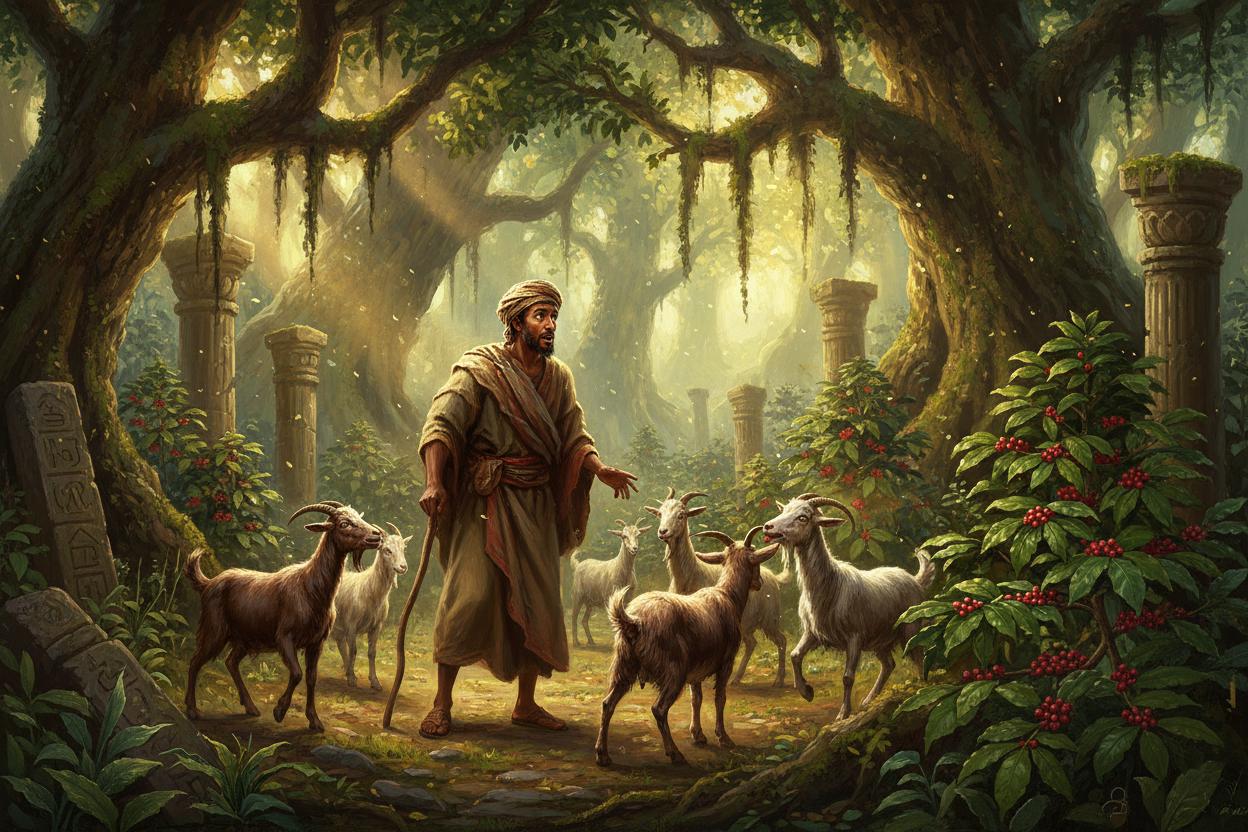
Coffee is believed to have originated in Ethiopia. According to legend, a goat herder named Kaldi discovered coffee after noticing that his goats became unusually energetic after eating berries from a certain tree.
Spread to the Arab World
Coffee cultivation and trade began in Yemen. By the 15th century, coffee was being grown and consumed widely in the Arab world, becoming popular in cities like Mecca and Cairo.
Coffee houses, known as qahveh khaneh, started to appear and became centers for social gatherings, discussions, and business.

Introduction to Europe
Coffee reached Europe in the 17th century through trade. At first, some people were suspicious of the drink, but it quickly gained popularity.
Coffee houses began to open in major cities like London and Paris. These places became known as centers for intellectual exchange and were sometimes called "penny universities."

Global Expansion
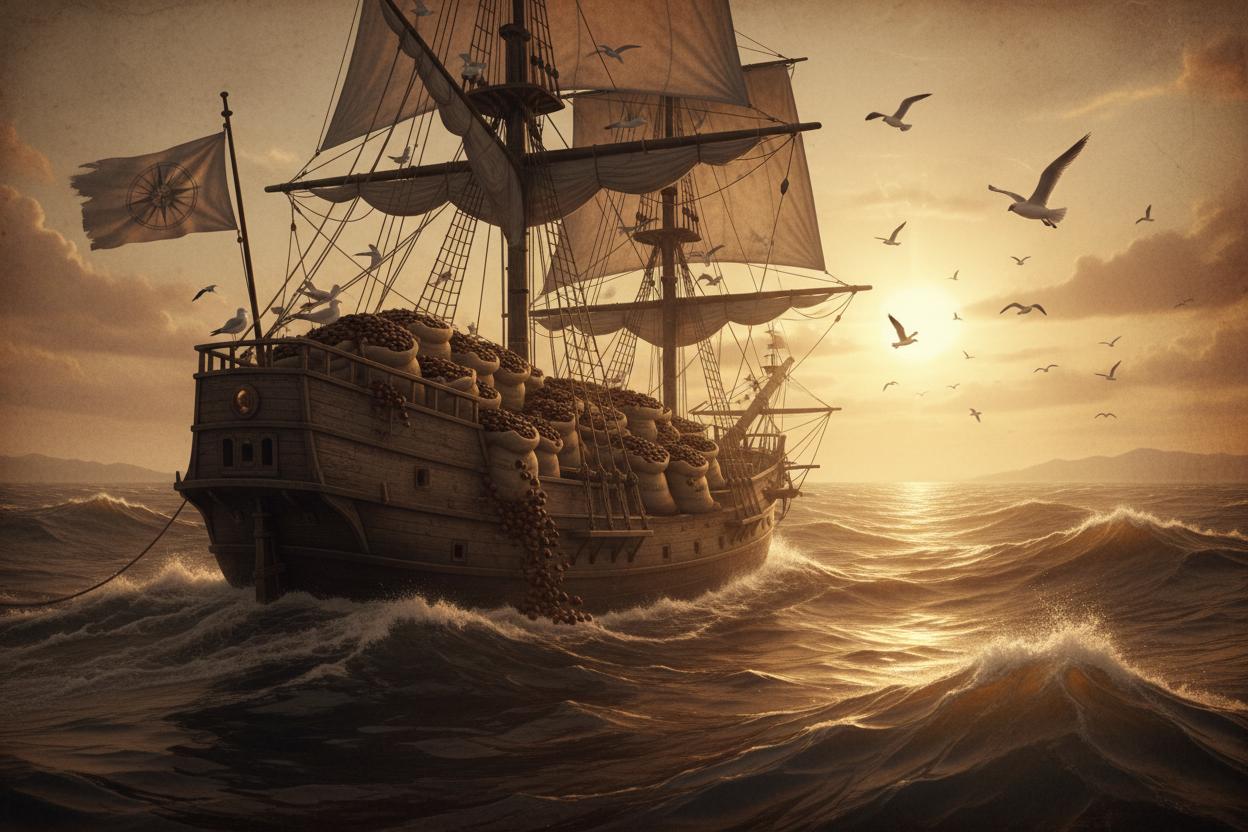
European colonial powers helped spread coffee cultivation to other parts of the world, including South America and Asia. Countries like Brazil eventually became major coffee producers and remain so today.
Coffee in the Modern World
Today, coffee is one of the most widely consumed beverages globally. It plays an important role in daily life, culture, and economies around the world.
Modern coffee culture includes cafés, specialty brewing methods, and global coffee chains, making coffee both a social and economic staple.

Fun Facts
 01
01
Kopi Luwak, made from beans eaten by civet cats, can cost ₱36,860 per pound (about $600 USD).
 02
02
Coffee beans are actually seeds from coffee cherries.
 03
03
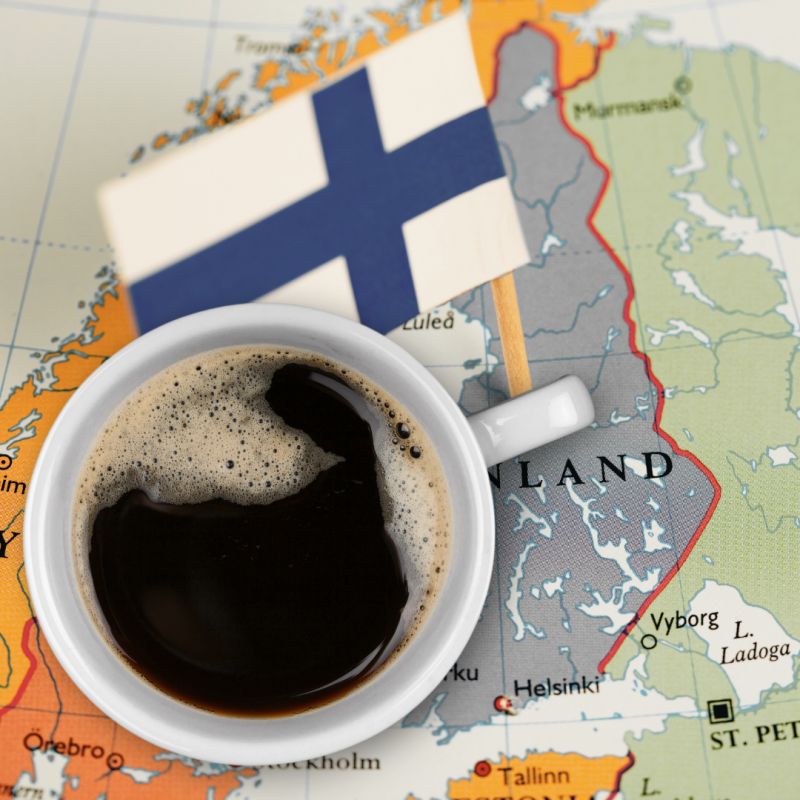
Finland consumes the most coffee - 12 kg per person annually!